
By Bashir Hassan Abubakar
Sexual violence against children remains one of the most pressing protection concerns in Nigeria today, representing a grave violation of fundamental child rights.
Despite growing awareness, many cases still go unreported due to stigma, fear, cultural silence, and limited knowledge of available support systems. This culture of silence continues to shield perpetrators while denying survivors the justice and care they urgently need.
Beyond its immediate harm, sexual violence leaves deep and lasting scars on survivors. Children who experience abuse are often exposed to long-term emotional trauma, mental health challenges, and increased risk of sexually transmitted infections.
Evidence from the Violence Against Children Survey (2024) further highlights a disturbing cycle—individuals who experience violence in childhood are more likely to perpetrate violence later in life. This underscores the far-reaching societal consequences of failing to address abuse at its roots.
Although legal frameworks such as the Child Rights Act and the Violence Against Persons (Prohibition) laws have been enacted across many states, implementation gaps persist. In Adamawa, Gombe, and Bauchi states, data from the Child Protection Information Management System (CPIMS) indicates that 244 cases of sexual violence were reported in 2025—175 in Gombe, 44 in Adamawa, and 25 in Bauchi, which recorded the lowest figures.
However, experts warn that these statistics likely underrepresent the true scale of the problem, as many cases remain hidden due to stigma, poverty, and fear of pursuing justice.In many communities, abuse is concealed within families, making official data an incomplete reflection of reality. When cases are not reported, they effectively “do not exist” in formal systems, further weakening response mechanisms and accountability structures. This highlights the urgent need to break the silence and strengthen reporting channels.
Notwithstanding these challenges, efforts by the Bauchi State Government under Governor Bala Mohammed deserve recognition. The establishment of enabling laws, alongside institutional structures such as the Sexual Assault Referral Centres (SARC) and the State Action Committee on Sexual and Gender-Based Violence (SGBV), has improved access to care and support services for survivors.
The advocacy leadership of Hajiya Aisha Bala Mohammed, wife of the Governor of Bauchi State, through the Almuhibba Foundation, has also contributed significantly to survivor empowerment and rehabilitation initiatives.
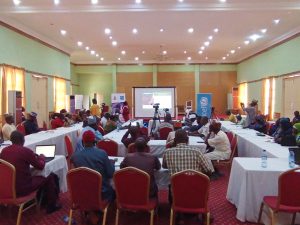
At a recent child protection advocacy roundtable, Dr. Nuzhat Rafique, Chief of UNICEF Nigeria Bauchi Field Office, emphasized that child protection must begin at birth and be treated as a shared societal responsibility. She warned that failure to recognize sexual violence as a crime effectively denies children the protection and support they deserve. Dr. Rafique further highlighted the importance of birth registration, healthcare, nutrition, education, and immunisation as foundational rights necessary for every child’s development.
The roundtable aimed to deepen awareness of the prevalence and drivers of sexual violence, strengthen stakeholder collaboration, and improve referral systems. It also identified critical gaps in response mechanisms while calling for sustained advocacy and stronger institutional commitment.
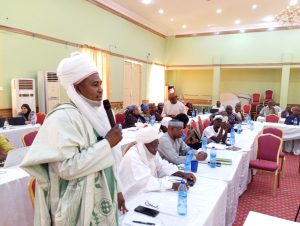
Encouragingly, community leaders are increasingly stepping forward to support these efforts. Idris Mohammad Atiku, District Head of Barunde in Gombe State, stressed the importance of grassroots advocacy and the role of traditional institutions in driving change. He called on the media to amplify child protection messages, noting its powerful influence in shaping public perception and behavior. He also pledged that traditional leadership structures would actively disseminate key messages across communities.
The Way Forward: From Commitment to Action
Addressing sexual violence against children requires more than policies—it demands collective responsibility and sustained action. Stakeholders must prioritize increased public financing for child protection systems, strengthen inter-agency collaboration, and ensure effective implementation of existing laws.
Continuous awareness creation at all levels is essential to dismantle stigma and encourage reporting. Communities must be empowered to speak out, document cases, and hold perpetrators accountable. At the same time, survivors must be supported through comprehensive care systems that promote healing, reintegration, and dignity.
Ultimately, the responsibility lies with all of us—government, institutions, communities, families, and individuals. Protecting children is not optional; it is a moral and legal obligation. Only through coordinated, multi-sectoral action can we hope to break the cycle of abuse and build a safer, more just society for every child.