
By Danhassan Abubakar
The Bauchi State Ministry of Humanitarian Affairs and Disaster Management has taken a proactive step towards mitigating fire disasters in the state by engaging key stakeholders in a collaborative effort to find solutions.
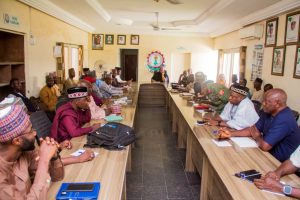
The stakeholders’ forum, which brought together representatives from federal and state fire services, government agencies, security organizations, professional bodies, civil society organizations, media, market, and transport associations, aimed to harness collective expertise in addressing the recurring menace of fire outbreaks.
In her opening remarks, Commissioner for Humanitarian Affairs and Disaster Management, Hajiya Hajara Yakubu Wanka, reaffirmed the state government’s commitment to tackling fire disasters. She emphasized the need for stakeholder engagement to identify innovative solutions and develop effective strategies for disaster management.

She stressed that, “though we cannot completely stop fire disasters from happening, but we can help in reducing occurrences through massive awareness campaigns. Such awareness campaigns will assist in reorienting members of the public on basic precautionary measures and how they can save their lives if such disasters occur”.
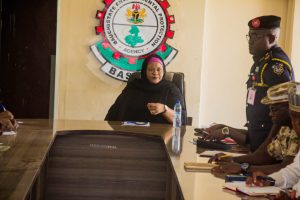
Commissioner Wanka implored the stakeholders to be open in their suggestions because according to her, “we are here to put heads together and come up with workable and realistic ways of managing fire disasters in Bauchi State”.
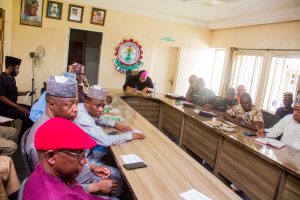
She assured the stakeholders that His Excellency, Governor Bala Mohammed is keen on seeing what the Stakeholders will offer as solutions to fire disasters.
While appreciating the effort of the Humanitarian Ministry for convening the stakeholder engagement activity, the State Commissioner of Health, Dr. Sani Muhammad Dambam said that fire disasters most times come with health concerns because of the trauma victims go through during such disasters.
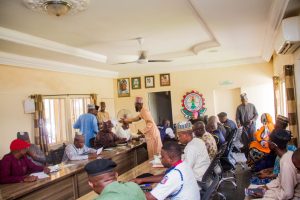
He pledged the commitment of his ministry in supporting the initiative by the Humanitarian Ministry aimed at reducing fire disasters in the State.
There were suggestions from the stakeholders that mostly focused on weak awareness for the public, inadequate fire fighting trucks, accessibility of disaster areas, use of substandard electrical wirings, absence of simple emergency numbers and some other challenges.
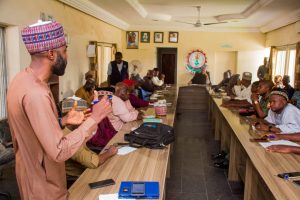
The meeting marked a significant step towards enhancing the state’s preparedness and response to fire emergencies, and promoting a culture of safety and resilience among communities.