
By Danhassan Abubakar
The Bauchi State Government, in collaboration with UNICEF, has intensified efforts to promote early initiation of breastfeeding, exclusive breastfeeding, and improved nutrition during the first 1,000 days of a child’s life as part of activities marking the 2026 World Breastfeeding Week.
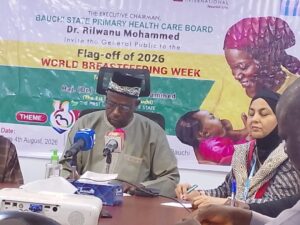
Speaking at a media briefing in Bauchi, the Executive Chairman of the Bauchi State Primary Health Care Development Agency (BASPHCDA), Dr. Rilwanu Mohammed, said the campaign aligns with this year’s global theme, “Breastfeeding for a Sustainable Start in Life: Strengthen What Works.” He said the state has approved six months of paid maternity leave for female civil servants, trained healthcare workers on Maternal, Infant and Young Child Nutrition, and expanded community awareness programmes to ensure mothers initiate breastfeeding within the first hour after birth and exclusively breastfeed their babies for the first six months.
Also addressing journalists, UNICEF Chief of Field Office, Bauchi, Dr. Nuzhat Rafique, described breastfeeding as one of the most effective investments in child survival, growth and development.
While noting that more than 90 per cent of mothers in Bauchi breastfeed their children, she expressed concern that only about 26 per cent of infants are exclusively breastfed for the first six months, while just 12 per cent are put to the breast within the first hour of birth.
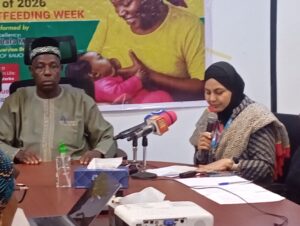
She stressed that delayed breastfeeding, early introduction of water and other liquids, misinformation, inadequate counselling, and workplace challenges continue to undermine optimal infant feeding practices despite the well-known health benefits.
Dr. Rafique explained that the first 1,000 days—from pregnancy until a child’s second birthday—represent a critical window for preventing malnutrition, strengthening immunity, and supporting healthy brain development.
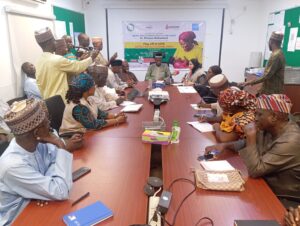
She noted that early initiation of breastfeeding, exclusive breastfeeding for six months, and continued breastfeeding alongside appropriate complementary feeding up to two years and beyond significantly reduce the risk of diarrhoea, pneumonia, and other childhood illnesses while lowering healthcare costs for families.
She added that UNICEF is supporting Bauchi State through initiatives such as the First 1,000 Days Nutrition Social and Behaviour Change Campaign and the Zero Water Campaign to improve breastfeeding practices, strengthen community support systems, and promote Baby-Friendly Hospital practices.
The UNICEF Chief called on families, traditional and religious leaders, employers, healthcare providers, policymakers, and development partners to collectively create an enabling environment for mothers to breastfeed successfully. She further urged families to provide practical support to nursing mothers, communities to challenge harmful cultural practices, and institutions to strengthen maternity protection and enforce regulations on the marketing of breastmilk substitutes.
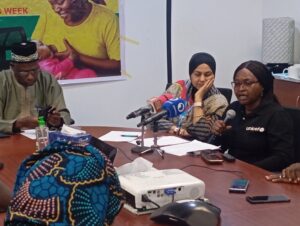
Both UNICEF and the Bauchi State Government reaffirmed that improving early initiation and exclusive breastfeeding remains one of the most effective strategies for preventing child malnutrition and giving every child in Bauchi the healthiest possible start in life.