
By Bashir Hassan
The National Primary Health Care Development Agency (NPHCDA), in collaboration with the Bauchi State Primary Health Care Development Board (BASPHCDB), has organised a one-day town hall meeting aimed at strengthening access to healthcare services in Bauchi State.

The engagement was designed to promote responsive, citizen-centred, and accountable Primary Health Care (PHC) service delivery, particularly in the area of maternal, newborn, and child health (MNCH).

Speaking during the meeting, a representative of the NPHCDA, Comrade Aliyu Abdulkadir, said the initiative was intended to strengthen trust, accountability, and responsiveness in PHC service delivery through structured citizen engagement. He urged participants to make meaningful contributions, noting that feedback from communities would help shape future planning and improve healthcare outcomes across the state.

In his remarks, the Executive Chairman of the Bauchi State Primary Health Care Development Board, Dr. Rilwanu Mohammed, said the town hall meeting would promote inclusive dialogue between citizens, communities, and PHC authorities. He explained that the Bauchi State Government, under the leadership of Governor Bala Mohammed, had continued to invest significant resources in the health sector to improve healthcare delivery.
Dr. Mohammed noted that the meeting would also provide an avenue for the government and health authorities to hear directly from the people on the challenges affecting access to maternal and child healthcare services, especially in rural communities. He stressed that primary healthcare remains the first point of contact for most citizens and that its importance in improving public health outcomes could not be overemphasized.
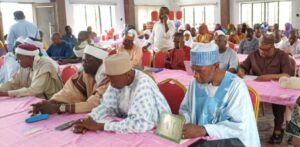
The event featured goodwill messages from representatives of the Bill & Melinda Gates Foundation, the Dangote Foundation, the SCIDaR SPARK Project, and other implementing partners operating in the state.
Our correspondent reports that the meeting also sought to improve health literacy and awareness of PHC reforms and services, generate actionable community feedback to guide healthcare planning and service improvement, and increase the utilisation of essential PHC services, particularly maternal, newborn, immunisation, child health, and family planning services.
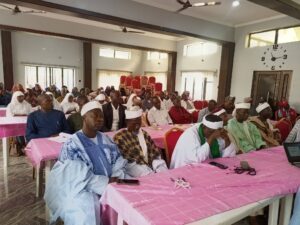
Participants were drawn from religious and community leaders, civil society organisations, healthcare providers, community resource groups, pregnant, artisans, market associations, PWDs, service providers, and lactating mothers, as well as other non-state actors.