
By Bashir Hassan Abubakar
Médecins Sans Frontières (MSF) has released its 2025 Nigeria Country Activity Report, painting a grim picture of worsening malnutrition, recurring disease outbreaks and persistent maternal healthcare challenges across several states in the country.
The humanitarian medical organisation said the report reflects a year in which vulnerable communities continued to face severe barriers to accessing lifesaving healthcare amid economic hardship, insecurity and humanitarian funding pressures.
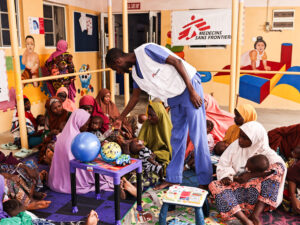
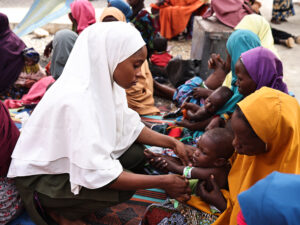
MSF Country Representative in Nigeria, Dr Ahmed Aldikhari, described the figures as alarming, noting that malnutrition remains both a cause and consequence of diseases such as measles, malaria and diphtheria affecting vulnerable communities.
The report further highlighted the growing burden of infectious diseases across the country, particularly during seasonal outbreaks. MSF said its teams treated 341,239 malaria patients, 38,753 children for measles, 6,123 diphtheria cases and 985 meningitis patients in 2025.
The organisation attributed the continued outbreaks to weak vaccination coverage, poor water and sanitation systems and limited access to timely healthcare. Dr Aldikhari stressed the need for stronger disease surveillance, routine immunisation campaigns and improved emergency response mechanisms to prevent avoidable deaths.
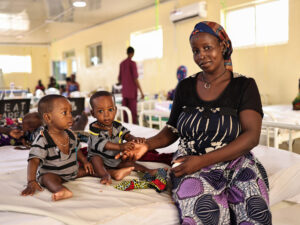
MSF also raised concerns over Nigeria’s maternal healthcare situation, noting that many women, especially in rural and conflict-affected communities, still face significant barriers in accessing emergency obstetric care.
The report stated that MSF conducted 119,469 antenatal consultations and carried out 224 fistula surgeries during the year. The organisation warned that delayed access to healthcare continues to expose women to life-threatening complications such as severe bleeding, infections and eclampsia.
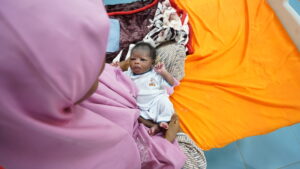
MSF called for increased investment in primary healthcare services, referral systems, medical staffing and emergency maternal care to reduce preventable maternal and newborn deaths across underserved communities.