
By Bashir Hassan Abubakar
Nigeria is grappling with one of its most severe Lassa fever outbreaks in recent years, recording 516 confirmed cases and 135 deaths since January—a 31 percent rise compared to 2025.
According a statement issued by MSF, the disease remains difficult to detect early, as its symptoms often resemble common illnesses like malaria and typhoid.
In Bauchi State, Musa’s experience highlights this danger.
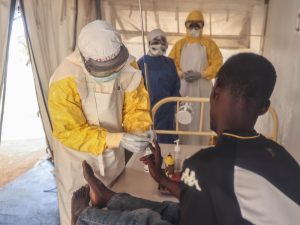
“It felt like I had malaria,” he recalled, after developing headaches and stomach pain. He was treated at a private clinic but discharged after five days without improvement. “They could not understand what I was suffering from,” he said.
It was only after a community outreach team from Médecins Sans Frontières (MSF) visited his village that Musa was referred to the Abubakar Tafawa Balewa University Teaching Hospital, where he was diagnosed with Lassa fever. By then, his condition had worsened significantly. “My symptoms became so unbearable that I thought I would not survive,” he said.
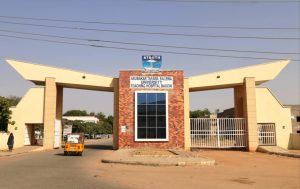
After spending 29 days in treatment, Musa recovered. Today, he has become an advocate in his community, encouraging others to seek early medical care and not ignore symptoms.
Lassa fever, a viral disease transmitted mainly through contact with food or household items contaminated by infected rodents, is endemic in Nigeria, especially during the dry season. While most infections are mild, severe cases can lead to organ failure or death, making early diagnosis and treatment critical.
The outbreak has also heavily affected healthcare workers, with 38 infections recorded this year—more than double the number in the same period last year—and fatalities reported among frontline staff.
In Bauchi, MSF-supported facilities documented 311 confirmed cases and 68 deaths between October 2025 and March 2026.
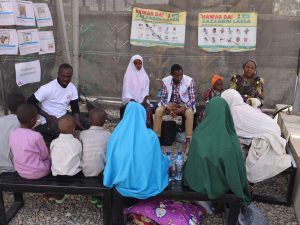
Beyond treatment, MSF teams are tackling fear and misinformation in affected communities, where Lassa fever is sometimes linked to superstition or witchcraft.
Through sustained engagement with community and religious leaders, more than 186,000 people have been reached with awareness campaigns, improving early detection and referrals.
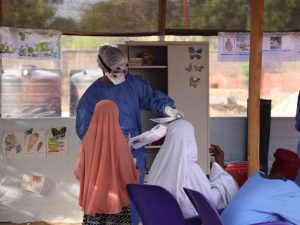
Survivors often face long-term complications, including hearing loss, and require ongoing care. MSF’s survivor clinics provide follow-up treatment, mental health support, and guidance to prevent further transmission.
Although cases are beginning to decline with the end of the dry season, experts warn that Lassa fever remains a persistent threat. Efforts are now focused on strengthening preparedness, improving surveillance, and building community trust.
“Lassa fever is not going away,” says Dr Ayokunnu Raji. “But with early detection and the right care, more lives can be saved.”