
By Bashir Hassan Abubakar
World Breastfeeding Week (August 1–7) is here again—and it’s more than just a date on the calendar. It is a powerful reminder that giving every child in Bauchi State the healthiest start in life begins with one simple, life-saving practice: exclusive breastfeeding.
Unfortunately, the numbers tell a concerning story. According to Multiple Indicator Cluster Survey 2021, in Bauchi State, only 26% of babies are exclusively breastfed during their first six months. Even more alarming, 88% miss out on that crucial “golden hour” of breastfeeding right after birth—an essential moment for building immunity and mother-child bonding.
But why is this happening?
Many mothers want to breastfeed, but the systems around them—whether at work, in hospitals, or in the community—don’t make it easy. That’s why the 2025 theme for World Breastfeeding Week, “Prioritize Breastfeeding: Create Sustainable Support Systems,” is especially timely.
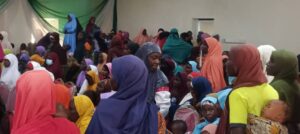
UNICEF Nigeria, a long-time champion for child survival, is working closely with the Bauchi State Government to change this.
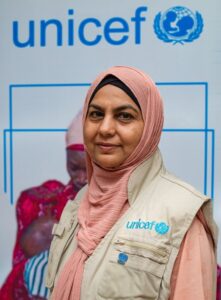
At a recent press briefing to mark this year’s WBW, Dr. Nuzhat Rafique, UNICEF’s Bauchi Field Office Chief, made a strong case for change: from longer maternity leave to breastfeeding-friendly workplaces and stronger healthcare support.
She called for a six-month paid maternity leave for civil servants in Bauchi, stating:, “this would significantly improve child development outcomes by allowing mothers adequate time to breastfeed and bond with their babies.”
Scientific evidence shows that exclusive breastfeeding within the first six months provides natural immunity to newborns against certain diseases and prevents malnutrition. Unfortunately, ignorance, cultural beliefs, and poverty hinder the practice of this cheap and effective method.
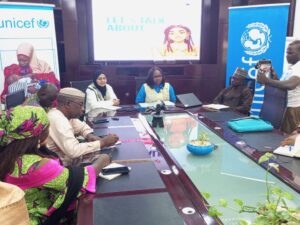
At a UNICEF Media Dialogue sonetime ago, a medical practitioner, Dr. Omotola Davis, emphasized the need for education on the importance of breastfeeding and complementary feeding. With six months of exclusive breastfeeding followed by 24 months of complementary feeding, good nutrition can be ensured, empowering children to learn, thrive, and contribute to society.

To simplify what optimal breastfeeding looks like, UNICEF introduced the 1-6-24 formula:
1: Start breastfeeding within the first hour of birth.
6: Feed only breastmilk (no water, food, or formula) for six months.
24: Introduce complementary foods while continuing breastfeeding until the child is at least 24 months old.

UNICEF Nutrition Specialist Philomena Irene stressed the need for workplaces to support mothers with private feeding spaces and flexible policies, especially as complementary feeding continues beyond six months.
Breastfeeding is not just about health—it is about empowerment, equity, and giving every child a fair shot at life. Yet myths, misinformation, and outdated practices continue to discourage mothers. That’s where communities, media, and employers come in.
UNICEF is also partnering with the state to roll out the Warm Chain Campaign—a collaborative effort linking families, health workers, and employers to support mothers throughout the critical first 1,000 days of a child’s life.
Dr. Rafique closed her remarks with a powerful call to action saying, “Let us make 2025 the year Bauchi turns the tide on breastfeeding—where it becomes every child’s right and every mother’s reality. UNICEF stands firm in our commitment to this goal. Let’s keep the promise.
“It is time for everyone—government, families, communities, and workplaces—to come together and support Bauchi’s mothers. Because when we support breastfeeding, we are investing in a healthier, smarter, and stronger future for all”.