
By Bashir Hassan Abubakar
The Bauchi State government has reaffirmed its commitment to ending AIDS as a public health threat by 2030, as it commemorated the 2025 World AIDS Day on Monday.
Speaking at the event, the Honourable Commissioner of Health, Dr. Sani Mohammed Dambam, highlighted the significant progress made in the fight against HIV/AIDS in the state, including a decline in prevalence rate from 6.8% in 2001 to 0.4% in 2018.
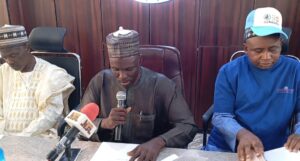
Dr. Dambam, who was represented by a permanent secretary, Dauda Yakubu Mahmood, noted that despite the challenges, Bauchi State has made tremendous progress in saving the lives of people living with HIV and preventing new infections, with 29,874 people currently receiving antiretroviral treatment. The State has also scaled up HIV testing and treatment facilities to 863, providing free services to the general population and pregnant women.
In a goodwill message, the United Nations Population Fund (UNFPA) Executive Director Ms. Diene Keita revealed the devastating impact of funding cuts on global HIV prevention efforts.
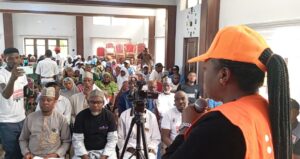
Keita, who was represented by the UNFPA Bauchi State Programme Coordinator Deborah Tabara said that the recent disruptions and unprecedented cuts in international aid are threatening to reverse the progress made towards achieving an AIDS-free generation.
Keita then urged governments and partners to take urgent action to sustain progress and protect the rights and health of women and girls.
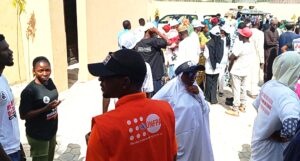
The UNFPA ED then called for renewed global solidarity to finish what works and make an AIDS-free future a reality for all.
“The UNFPA reaffirms its commitment to supporting countries in scaling up HIV prevention services, particularly for adolescent girls, young women, and key populations. Together, we can overcome the challenges and ensure that nearly 27 million lives saved through global HIV response efforts are not in vain”, Keita said.
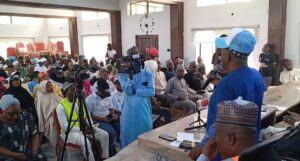
There were other goodwill messages from implementing partners and civil society organisations working in the State.
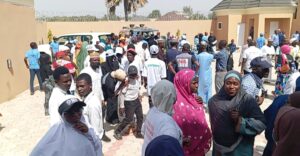
The commemoration event, themed “Overcoming disruption, transforming the AIDS response”, featured a range of activities, including health talks, medical outreaches, lectures, and distribution of nutritional support to people living with HIV.