
By Bashir Hassan Abubakar
When Aisha Usman welcomed her fifth child last year, something felt different. Her pregnancy had been easier, her strength noticeably higher. She cooked, cleaned, and moved about with ease. Even the baby—born energetic, lively, and free of the usual early-life ailments—seemed to confirm that something had changed.
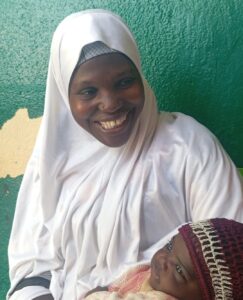
For Aisha, the difference was a small daily tablet known as the Multiple Micronutrient Supplement (MMS).
“I didn’t experience the sickness that usually comes with pregnancy,” she said, smiling as she cradled her youngest daughter. “My appetite was good, I was strong, and my baby came out full of life. I’m so glad I took the MMS.”
Aisha is one of thousands of pregnant women in Bauchi State benefiting from a nutrition intervention that is quietly transforming maternal and newborn health outcomes. And her story is becoming increasingly common.
A Bold Step for Maternal Nutrition

In September last year, the Bauchi State Government, supported by UNICEF Nigeria, the Bill & Melinda Gates Foundation, and other partners, launched the free MMS programme—a bold response to high levels of anaemia, nutrient deficiencies, and preventable maternal deaths.
MMS is not just a vitamin; it is a blend of 15 essential nutrients designed to support both mother and baby throughout pregnancy. Research shows that MMS significantly improves fetal growth, reduces anaemia, increases maternal energy levels, and leads to healthier birth outcomes.
To see how far the programme has come, UNICEF recently took journalists on a field visit to two primary health facilities in Bauchi. What they found was a blend of testimonies, data-backed improvements, and genuine hope.
A New Pregnancy Experience
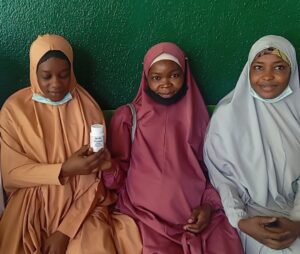
At the Urban Maternity Centre, expectant mothers waiting for routine ANC were eager to share their experiences. Among them were three first-time mothers—Aishatu Muhammad Umar, Maryam Musa and Khadija Is’hak Mai’auduga, who has a hearing impairment.
Despite the uncertainties that often accompany a first pregnancy, all three women described a sense of strength and wellbeing they didn’t expect.
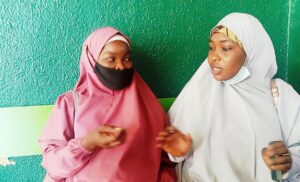
“We were introduced to MMS during our antenatal visits,” Maryam explained. “It gives us energy. We can still do normal chores without feeling weak.”
Khadija nodded vigorously beside her, signing her agreement as her sister interpreted: “It has helped me a lot. I feel healthy.” Their testimonies mirror what health workers have also observed.
Health Workers Are Seeing the Results
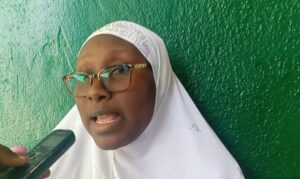
Mrs. Hauwa Yohana Luka, who oversees the Urban Maternity Centre, has worked with hundreds of pregnant women over the years. She says the difference MMS has made since its introduction is “remarkable.”
“The early morning sickness, loss of appetite, and general weakness we usually see have reduced sharply,” she said. “The babies born in this period appear healthier and more vibrant. You can almost tell which mothers took MMS.”
Her excitement reflects a broader trend. According to Philomena Irene, a Nutrition Specialist with UNICEF Bauchi Field Office, the supplement is doing exactly what global research predicted.
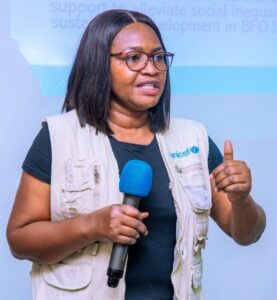
“Many pregnant women face multiple micronutrient deficiencies,” she explained. “MMS is designed to close those gaps. It reduces anaemia, improves immunity, boosts energy levels, and supports healthier birthweights.”
Not Without Challenges
But the programme also faces challenges. Dr. Rilwanu Mohammed, Executive Chairman of the Bauchi State Primary Health Care Development Board (BSPHCDB), expressed concern about unacceptable practices that risk derailing progress.
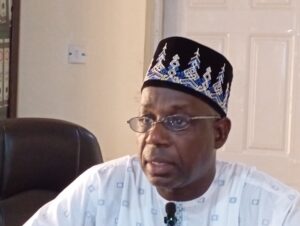
Some facility workers, he revealed, have been diverting MMS tablets to patent medicine vendors for profit. In other cases, women have been sharing the supplements with their spouses—similar to past issues involving therapeutic foods.
“We are tightening monitoring mechanisms to stop this,” he assured. “Every tablet is meant for the pregnant woman who needs it.”
Despite the challenges, he remains confident that MMS is achieving its goals, especially in reducing anaemia and low birthweight.
A Path Toward Sustainability
To sustain the gains, UNICEF recommends several strategies, including securing stable government funding, preventing stockouts, training health workers, and maintaining strong community-level education to encourage consistent use. Monitoring and evaluating the programme, Irene emphasized, will also be key: “We need to understand what is working and where improvements are needed so the programme can continue long after donor support fades.”
A Contribution to National and Global Goals
Bauchi’s MMS scale-up is not just a local intervention—it aligns with national and global commitments. Nigeria aims to reduce anaemia among pregnant women by 40% by 2025, while the global community is pushing for a 50% reduction by 2030 as part of the Sustainable Development Goals.

With the progress already visible in Bauchi, the state is emerging as an example of what is possible when political commitment meets evidence-based action.
The Media’s Role
For journalists on the field visit, the emerging picture was clear: MMS is working—and mothers know it.
As Bauchi expands access and strengthens the system behind the programme, the media is committed to continuing its role in amplifying evidence-based stories, raising public awareness, and supporting life-saving maternal health interventions.
For women like Aisha Usman, the quiet revolution in maternal nutrition is already changing the course of pregnancy—and shaping healthier beginnings for the newest generation of Bauchi children.