
By Bashir Hassan Abubakar
Bauchi State stands at a critical crossroads—one that will define not just the health of its women and children, but the future of its communities and economy. Behind the statistics lies a painful reality: far too many mothers, newborns, and children are dying from preventable causes. This is not merely a health sector issue; it is a development crisis, a governance challenge, and a moral test for all stakeholders.
At the heart of this burden is a complex web of socio-cultural and economic factors. The persistence of home deliveries—often seen as a sign of strength or tradition—continues to place women at grave risk. For many families, particularly in rural areas, decisions about seeking healthcare are influenced by illiteracy, poverty, and in some cases, the reluctance of male caregivers to prioritize facility-based care.
The consequences are devastating: complications such as hemorrhage, sepsis and obstructed labour continue to claim lives that could have been saved through timely medical intervention. Worse still, when births occur outside health facilities, critical follow-up services like postnatal care and childhood immunization are often neglected, exposing newborns to avoidable illnesses and death.

The Bauchi State Government has demonstrated commendable commitment by expanding and renovating primary healthcare centres across all 323 wards. Yet, infrastructure without skilled personnel is like a ship without a captain. The persistent shortage of trained health workers undermines service delivery, leaving many facilities unable to provide lifesaving care when it is most needed.
Addressing this human resource gap must become an urgent priority—through recruitment, training, and retention strategies that ensure no facility is left without competent hands.

Encouragingly, the Bauchi State House of Assembly has recognized the severity of the crisis. The Speaker, Abubakar Y. Sulaiman, recently signaled plans to introduce legislation that would mandate facility-based delivery for pregnant women. While this proposal has the potential to be transformative, the silence that has followed raises concerns. Policy pronouncements must translate into concrete action.
The legislature now has a historic opportunity to enact bold, people-centered laws that will safeguard the lives of mothers and children. Delay, in this context, is not neutral—it costs lives.
Beyond legislation and infrastructure, Bauchi must fully embrace and domesticate proven interventions. Federal Government initiatives like the Maternal and Neonatal Mortality Reduction Innovation Initiative (MAMII), alongside support from partners such as UNICEF, WHO, CDC, and AFENET, offer tested models that can be scaled for impact.
However, sustainability will depend on the State Government’s willingness to take ownership, allocate adequate resources and releases, and integrate these interventions into long-term health strategies.

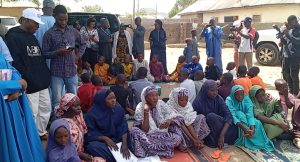
Equally important is the role of communities, civil society, and the media. Sustainable change cannot occur without shifting mindsets and empowering communities to take charge of their health outcomes. Ward Development Committees (WDCs) and other grassroots structures like Mama2Mama, Fathers4Health, and other community resource groups must be strengthened to drive awareness, facilitate emergency referrals, and hold service providers accountable.
Civil society organizations and the media must intensify evidence-based advocacy, ensuring that maternal and child health remains at the forefront of public discourse. Silence and complacency are luxuries Bauchi cannot afford.
The pathway forward is clear and non-negotiable:
Every pregnant woman must attend at least eight antenatal care visits and deliver in a health facility.
Every newborn must receive postnatal care within the first 24 hours and again within the first week of life.
Every child must be fully immunized by their first birthday.
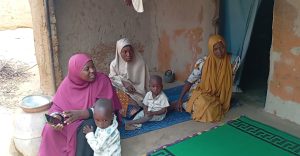
These are not aspirational goals—they are minimum standards for survival.The cost of inaction is too high. Each preventable death represents not just a lost life, but a shattered family, a weakened community, and a setback to the State’s development. Bauchi has the knowledge, the partnerships, and the institutional structures to reverse this trend. What is required now is decisive leadership, sustained investment, and collective responsibility.
The time to act is now—because every delay writes another tragic story that could have been avoided.
Pictures used for illustrative purposes only